The Pink Tax: Why Women Pay More for Being Women
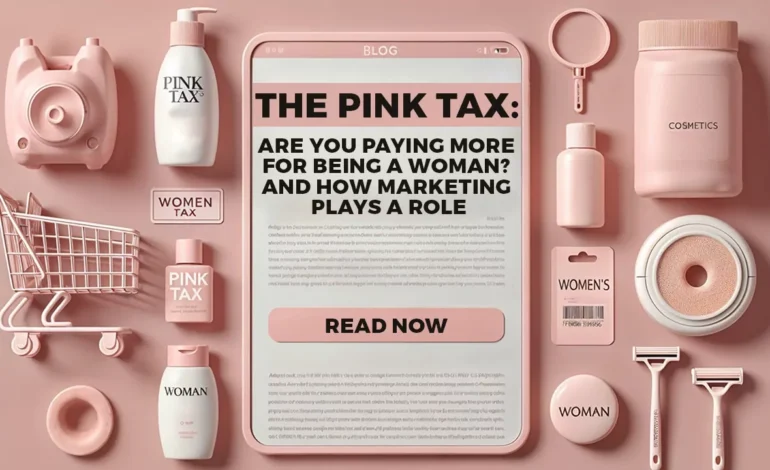
The “Pink Tax” refers to the invisible cost women bear for products and services marketed to them. From razors to perfumes, clothes to haircuts, the price tag for women’s products is consistently higher than men’s, despite little to no functional difference.
A study by the New York City Department of Consumer Affairs found that women’s products cost 7% more on average. In India, though formal studies are fewer, anecdotal evidence and online discussions reveal similar trends. For example, a basic blue razor for men may cost ₹20, while the same razor in pink packaging costs ₹35.
This pricing disparity extends to services. Women’s haircuts, even for short hair, are often charged at double or triple men’s rates. Dry-cleaning charges are also higher for women’s garments.
The pink tax is not just about economics, but about systemic gender inequality. Women already earn less than men (India’s gender pay gap stands at around 19% according to Monster Salary Index, 2019). Adding a pink tax on top of this widens financial inequality.
Solutions include consumer awareness campaigns, demanding transparency in pricing, and encouraging women to question such practices. Countries like New York (USA) and the UK have begun introducing regulations against gender-based pricing. India too must address this issue in its consumer rights framework.
References:
- NYC Department of Consumer Affairs, “From Cradle to Cane: The Cost of Being a Female Consumer”
- Monster India Salary Index, 2019
- The Wire, “The Hidden Cost of the Pink Tax in India”