How Local Governance Reforms Are Changing Citizens Daily Lives
Introduction
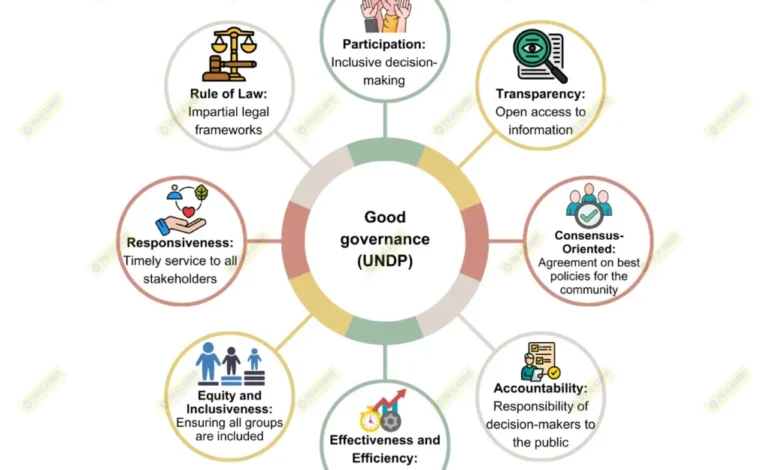
Governance is not only about national policies or global politics—it also starts at the local level. From municipal services to community development, local governance reforms directly impact the daily lives of citizens. In recent years, cities and towns across the world, including India, have seen significant reforms that aim to make governance more transparent, inclusive, and efficient.
1. Decentralization of Power
One of the biggest reforms in local governance has been the decentralization of power. Instead of decisions being taken only at the state or national level, local bodies such as municipalities and panchayats are now given more authority to act independently.
- This ensures quicker problem-solving.
- Citizens can hold local leaders accountable more easily.
2. Digitalization of Services
From paying property taxes online to accessing grievance redressal systems through mobile apps, digital platforms have brought government services closer to people.
- E-Governance initiatives reduce corruption.
- Citizens no longer need to wait in long queues at offices.
3. Citizen Participation in Decision-Making
Local governance reforms encourage more direct involvement of citizens in policymaking.
- Ward committees and public consultations give people a voice.
- Transparency portals allow citizens to track ongoing projects.
4. Improved Urban Infrastructure
Reforms in local governance have also translated into better roads, waste management systems, water supply, and housing initiatives.
- For example, the Smart Cities Mission in India has transformed urban planning.
- Cleaner cities and efficient public transport improve quality of life.
5. Challenges in Implementation
While reforms are promising, challenges remain:
- Limited financial resources for local bodies.
- Political interference and lack of trained staff.
- Uneven development between urban and rural regions.
Conclusion
Local governance reforms are not abstract policies—they are visible in everyday life. Whether it’s digital services, improved infrastructure, or citizen participation, these reforms aim to bring government closer to the people. With continuous improvements and active citizen engagement, local governance has the potential to become the true backbone of democracy.