Women and Digital Empowerment in Rural India
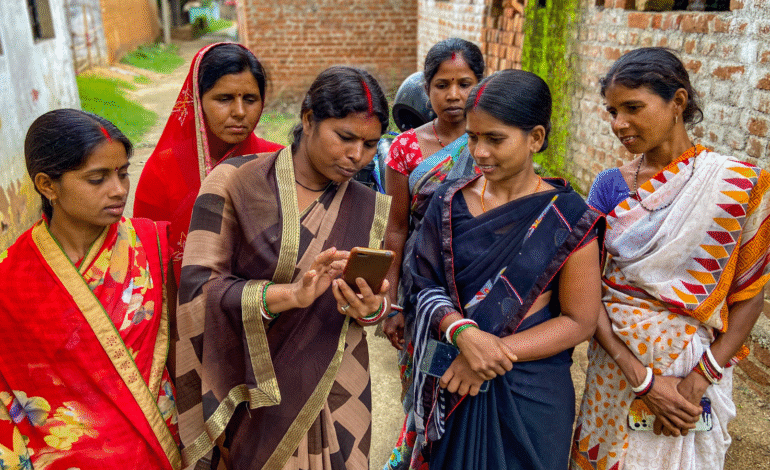
Digital empowerment is increasingly being recognized as a key enabler for women’s social and economic participation. In rural India, where gender divides are more stark, access to digital tools can change lives.
According to the GSMA Mobile Gender Gap Report (2023), women in South Asia are 19% less likely than men to own a smartphone and 28% less likely to use mobile internet. In rural India, these numbers worsen due to affordability, literacy barriers, and cultural restrictions.
Yet, there are success stories. Initiatives like Internet Saathi (Google + Tata Trusts) have trained over 30 million rural women in digital literacy. Women entrepreneurs in villages are using WhatsApp and Instagram to sell handicrafts, organic products, and homemade food. Access to digital banking through UPI has allowed self-help groups (SHGs) to become financially independent.
Digital literacy is also reducing gender-based violence, apps and helplines allow women to seek help confidentially. During the pandemic, women with access to smartphones could continue education and telehealth consultations, while those without were left further behind.
To ensure rural women are not excluded from India’s digital revolution, policies must prioritize affordable internet, local language content, and gender-sensitive training. Bridging this digital divide is essential for inclusive growth.
References:
- GSMA Mobile Gender Gap Report, 2023
- Internet Saathi Project Reports, Google India
- NITI Aayog, Women Empowerment and Digital India Reports